A Member of Parliament has called on the Government to allow a free parliamentary vote on new Equality and Human Rights Commission (EHRC) guidance, after receiving dozens of messages from constituents expressing concern about its potential impact on transgender people and wider society.
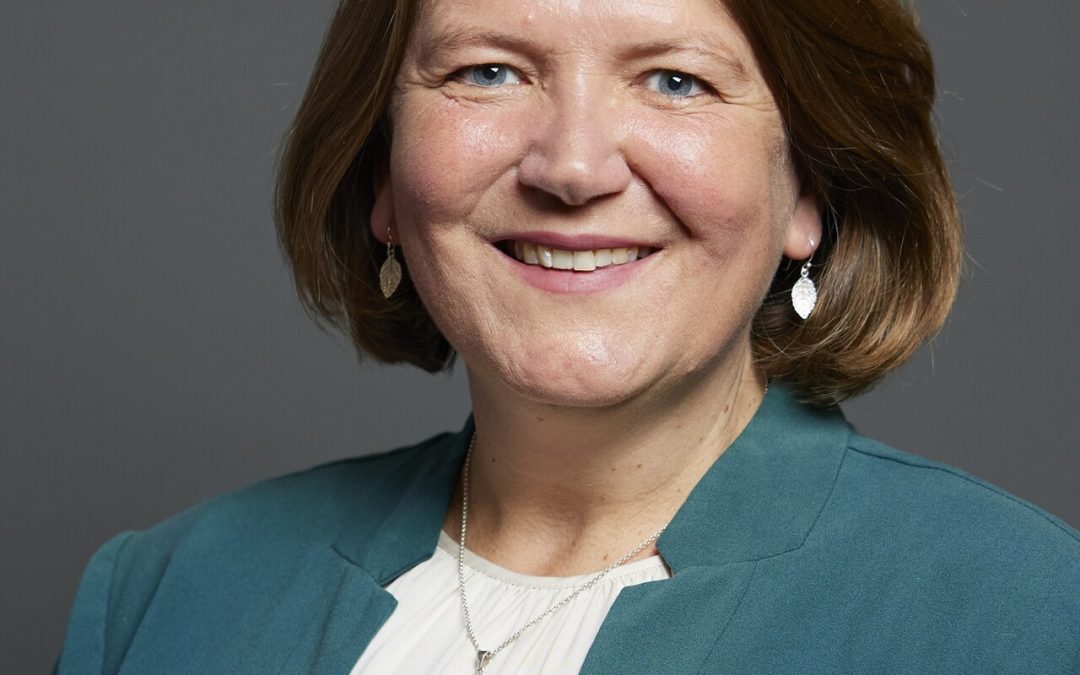
In a letter to the Minister for Women and Equalities, Bridget Phillipson, North Herefordshire MP Ellie Chowns said she was writing on behalf of 41 constituents who had contacted her regarding the recently published EHRC Draft Code of Practice for services, public functions and associations.
According to Chowns, many of those who wrote to her described the guidance as “regressive” and “authoritarian”, while others argued it represented the beginning of what they viewed as a wider rollback of transgender rights.
The MP said constituents felt the guidance lacked clarity despite being presented as an attempt to provide greater certainty. Among the concerns raised were questions about how organisations would interpret the rules in practice and whether the guidance could inadvertently restrict activities intended to be inclusive of transgender people.
Some constituents also expressed fears that the guidance could lead to discrimination in employment, with businesses potentially becoming more cautious about hiring transgender staff because of uncertainty over legal requirements.
A recurring theme in the correspondence, Chowns said, was concern that transgender people had not been adequately involved in the development of the guidance.
The letter highlighted worries about the social impact of the proposed measures, including concerns that transgender people could feel excluded from public life. Constituents reportedly raised fears about personal safety, harassment and increased scrutiny of gender expression and appearance.
Chowns said several individuals had described feeling anxious about using public spaces, while others reported feeling less safe and welcome in the UK as a result of the proposals.
The MP also noted that some constituents were considering leaving the country or knew people who had already done so. They argued that the UK’s standing on LGBT+ rights had declined compared with other European nations and international partners.
Beyond concerns affecting transgender people, the letter stated that constituents believed the guidance could also have unintended consequences for cisgender women and intersex people. Critics argued that increased emphasis on physical appearance when making decisions about access to services could result in greater scrutiny of anyone who does not conform to traditional gender norms.
According to Chowns, some constituents feared that women with short hair, taller women and others whose appearance differs from conventional expectations could face increased questioning or harassment. Others argued that the guidance failed to adequately consider the experiences of intersex people.
In concluding the letter, Chowns urged ministers to listen to the concerns raised by constituents and transgender communities. She backed calls for cross-party scrutiny of both the Gender Recognition Act and the Equality Act 2010, and called for full parliamentary debate and a free vote on whether to approve the revised Code of Practice.
“My trans constituents — and indeed anyone who does not conform to traditional gender norms — deserve to live in dignity, free from invasive policing of their bodies and appearances, and to feel they are safe from harassment and discrimination,” Chowns wrote.
The Government has not yet publicly responded to the letter.