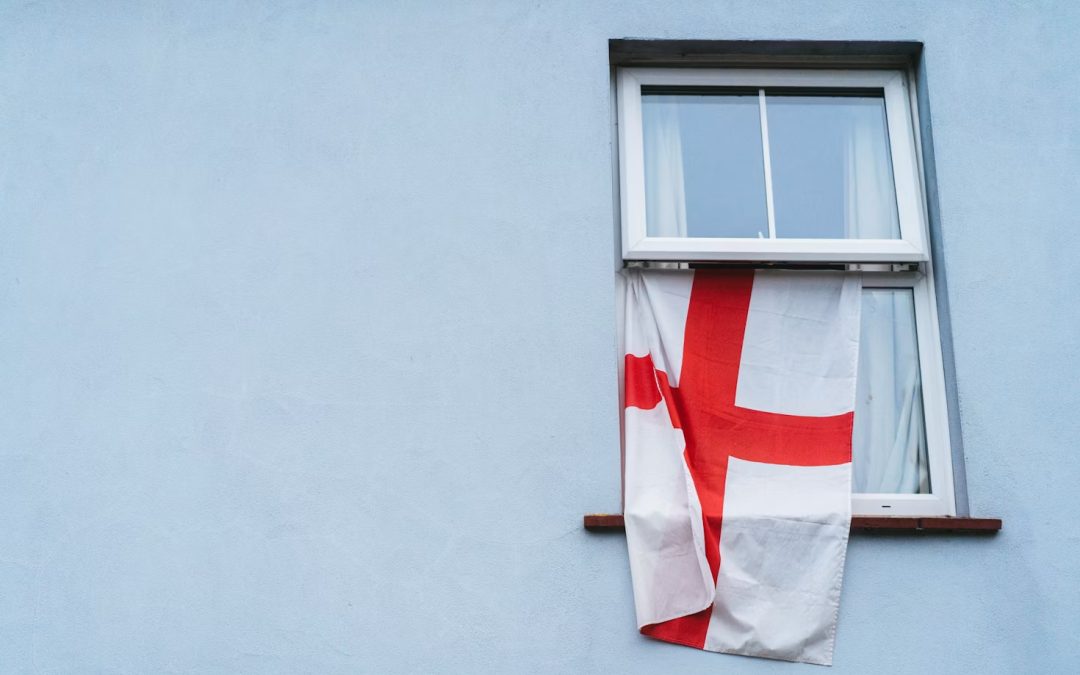
What type of flag can I fly on my house without consent?
The following is a list of the types of flag that do not require any consent:
- A country’s national flag,merchant flag or civil air ensign.
- The Commonwealth flag or United Nations flag
- The flag of any island, county, parish, city, town or village in the UK
- The flag of the Black Country, East Anglia, Wessex, Lincolnshire, Riding of Yorkshire or any historic county within the UK
- Flags of St David’s or St Patrick’s
- His Majesty’s forces flag
- Armed Forces Day flag
Generally, you are absolutely allowed to fly a flag in your garden at home. However, there are limits to what you can and can’t do. It is essential that your flag meets certain standard guidelines. These are laws set out by the government in the towns and planning conditions. Some of these are listed below:
- Permission should have been granted to fly the flag where necessary
- The flag should not pose a danger to public transport. For example it should not obstruct signs for roads, railways, rivers or aircraft
- The flag should be kept in a good and safe condition
- Removal of old flags should be done so carefully when required
Only certain types of flag can be flown at your home. Some don’t need permission of any kind, some don’t need planning permission providing they meet certain restrictions, and others do need consent. You may face a fine if you’re found to be flying one that does need planning permission to be granted, so make sure you know the rules beforehand!
More Details:
https://flagpoles.co.uk/flying-a-flag-at-home-navigating-rules-regulations-and-permissions/
From the Government:
Communities across England are being encouraged to fly more flags as part of a government drive to strengthen civic pride, celebrate local identity, and promote national unity.
The government has reaffirmed its support for the wider display of flags, particularly the Union Flag, describing it as a powerful symbol of national unity and pride. Recent guidance encourages all UK government buildings to fly the Union Flag throughout the year, alongside other national, regional and local flags.
Ministers are also urging local authorities, businesses, community groups and other organisations to follow suit by making greater use of flag displays to celebrate local heritage, community achievements and special events.
According to government guidance, flags are considered an important expression of identity and belonging, helping to strengthen community cohesion while showcasing both local and national pride.
Easier Rules for Flying Flags
Changes to planning regulations introduced in June 2021 have made it easier to display the Union Flag alongside other approved flags. Under the updated rules, two flags can now be flown from the same flagpole without planning consent in certain circumstances, provided one of them is the Union Flag and it occupies the superior position.
The government says the changes allow organisations to celebrate local identities while also recognising their place within the United Kingdom.
What Flags Can Be Flown Without Permission?
In England, flag displays are regulated under planning legislation because they are treated as advertisements. While some flags require permission from local planning authorities, many can be displayed freely.
Flags that can be flown without planning consent include:
- The Union Flag and national flags of any country.
- Civil ensigns and civil air ensigns.
- Flags of Commonwealth nations and international organisations of which the UK is a member.
- County, city, town, parish and village flags within the UK.
- Historic county flags, including those of Yorkshire’s Ridings, Wessex, East Anglia and the Black Country.
- The flags of Saint David and Saint Patrick.
- Flags representing administrative areas outside the UK.
- Any flag of His Majesty’s Armed Forces.
- The Armed Forces Day flag.
The regulations also permit the use of black mourning ribbons on flags or flagpoles when a flag cannot be flown at half-mast.
Additional Flags Allowed Under Conditions
Several other categories of flag can be displayed without consent, provided certain conditions are met. These include:
- Company or organisation house flags.
- Sports club flags, provided they do not contain sponsorship logos.
- The Rainbow Flag.
- NHS flags.
- Flags linked to recognised award schemes such as Eco-Schools, Investors in People and the King’s Awards for Enterprise.
- Certain environmental award flags.
Restrictions vary depending on where the flag is displayed, including limits on size, location and the number of flags permitted.
Standard Conditions Apply
Regardless of the type of flag being flown, all displays must comply with several standard conditions. Flags must be kept in good condition, remain safe, have the permission of the landowner, and must not obscure transport signage or create hazards.
Planning authorities also retain powers to require the removal of flags where necessary.
Some Flags Still Require Permission
Any flag not specifically covered by existing regulations will require express consent from the local planning authority before it can be displayed.
The government advises anyone unsure about the rules to seek guidance from their local planning authority.
Supporting Civic Pride
The government’s latest guidance forms part of a broader effort to promote civic pride and community identity across England. By simplifying regulations and encouraging wider use of the Union Flag alongside local and regional symbols, ministers hope more organisations will take the opportunity to celebrate the places and communities they represent.
Officials say the reforms strike a balance between maintaining appropriate planning controls and making it easier for communities to express their identity through flag displays.